NATHANIEL MARY QUINN - "A LOVE LETTER TO MY MOTHER" EXHIBITION
Nathaniel Mary Quinn, an internationally acclaimed Chicago-born artist whose first canvases were the walls of his family's apartment in the Robert Taylor Homes, is returning home, for his first solo museum exhibition in the city.
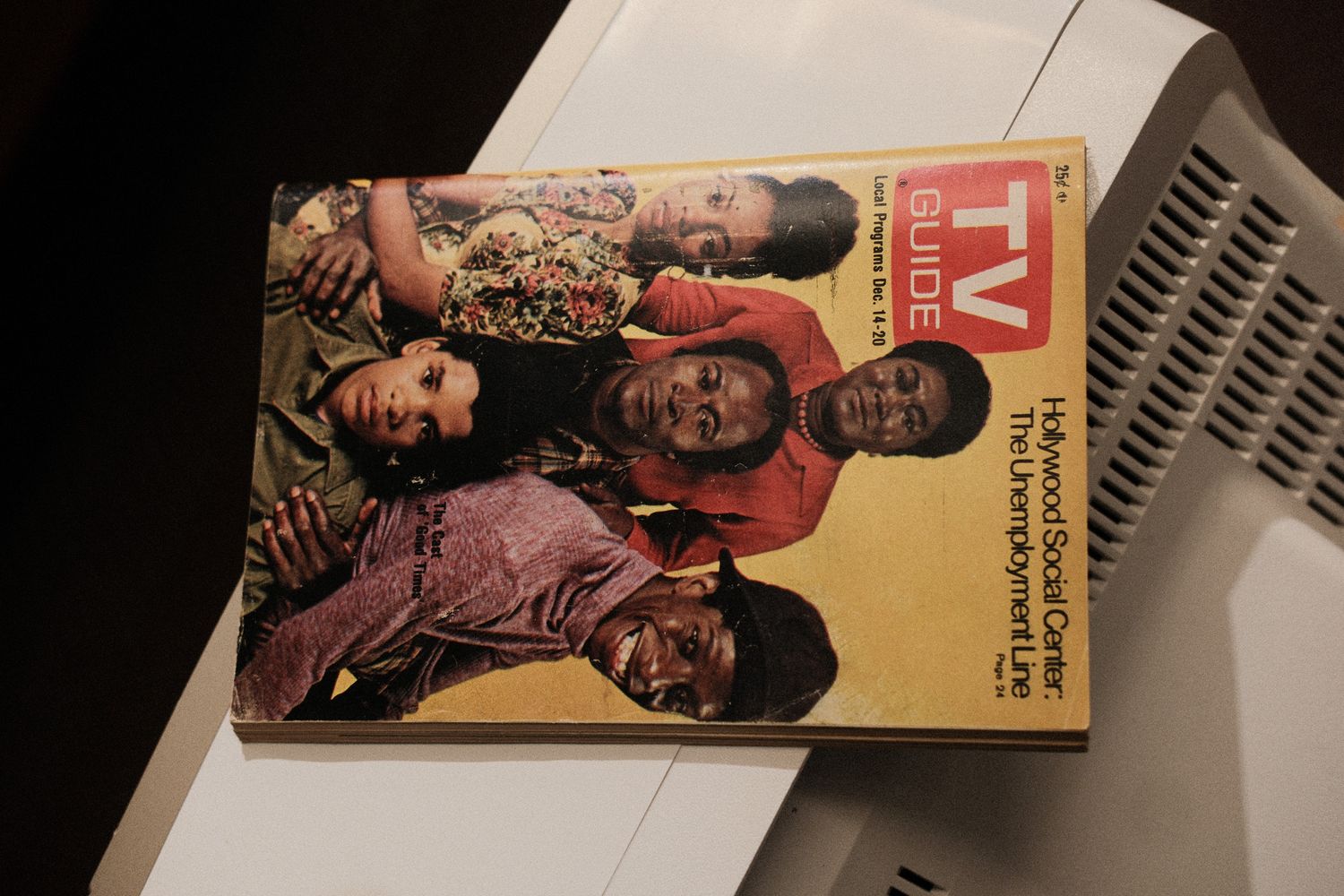
Throughout the exhibition, visitors are invited to consider humanity in all of its complexity by processing our lived experiences through a lens of artistic innovation. Alongside 10 of the artist's works on canvas and paper, Nathaniel Mary Quinn: A Love Letter to my Mother includes a Robert Taylor Homes living room designed from memory to conjure the artist's family circa 1984, and an adjoining reading room and resource area offering books, images, and historical materials related to the Robert Taylor Homes. There will also be special office hours throughout the run of the exhibition where visitors can meet with public housing residents and scholars for civil conversation.
"Everything I make begins in that room - with my mother, with those walls, with the quiet insistence that I could imagine something beyond them, and, one day, empathize deeply enough to see another person fully - beyond what we think we know. In this sense, the work is not about where I come from, but about the mercy and grace of God, who carried me beyond the far reaches of my imagination. What began in a small living room has become an endless space - one I am still learning to navigate through my art practice and my relationship with the Most High," said Nathaniel Mary Quinn.
Nathaniel Mary Quinn was born in 1977 in Chicago and lives and works in Brooklyn, New York. He received an MFA from New York University in 2002 and an honorary doctorate from Wabash College in 2023. His work is held in major institutional collections, including; the Brooklyn Museum, Whitney Museum of American Art, San Francisco Museum of Modern Art, Art Institute of Chicago, Hammer Museum, Museo Jumex, and Centre Pompidou.
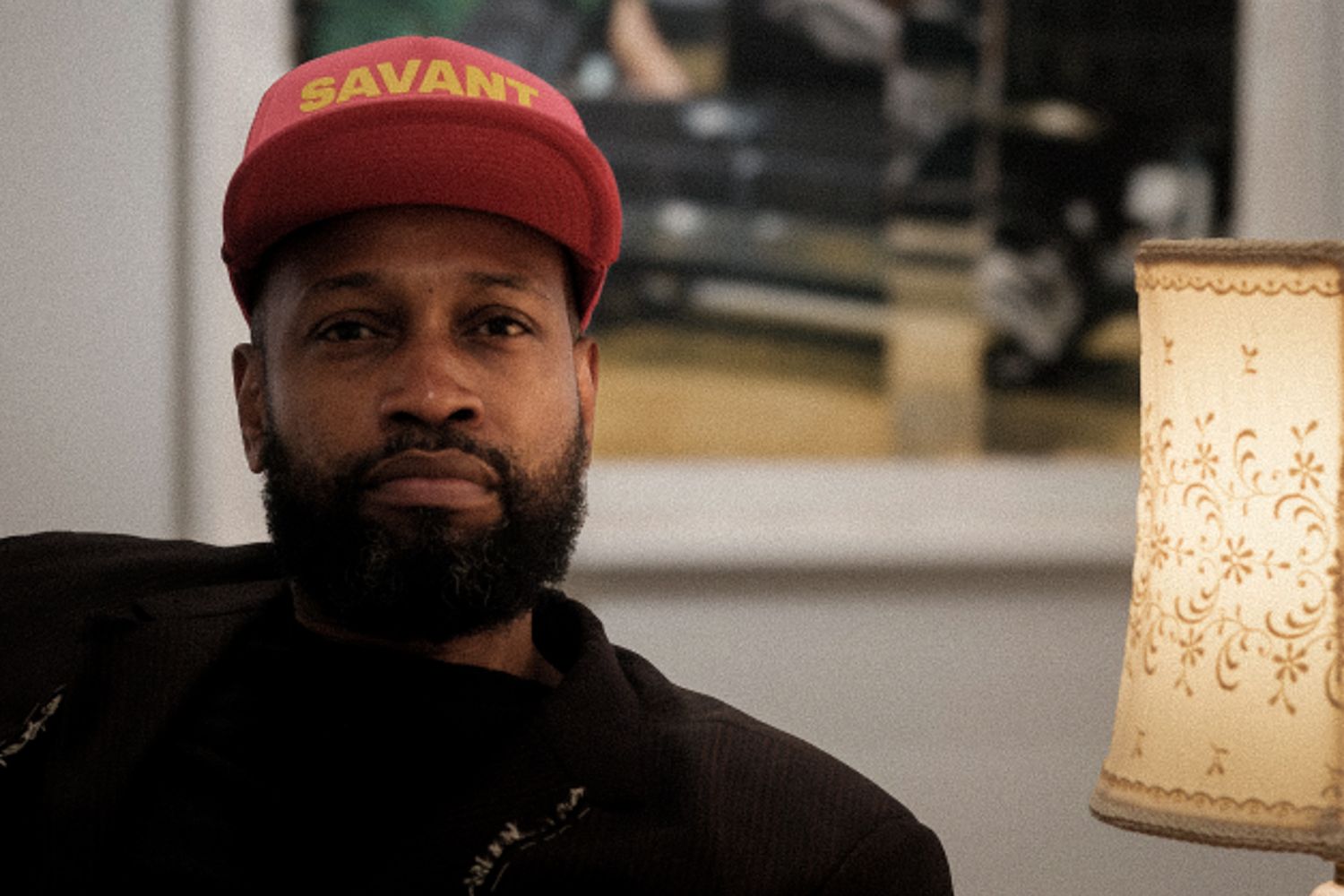
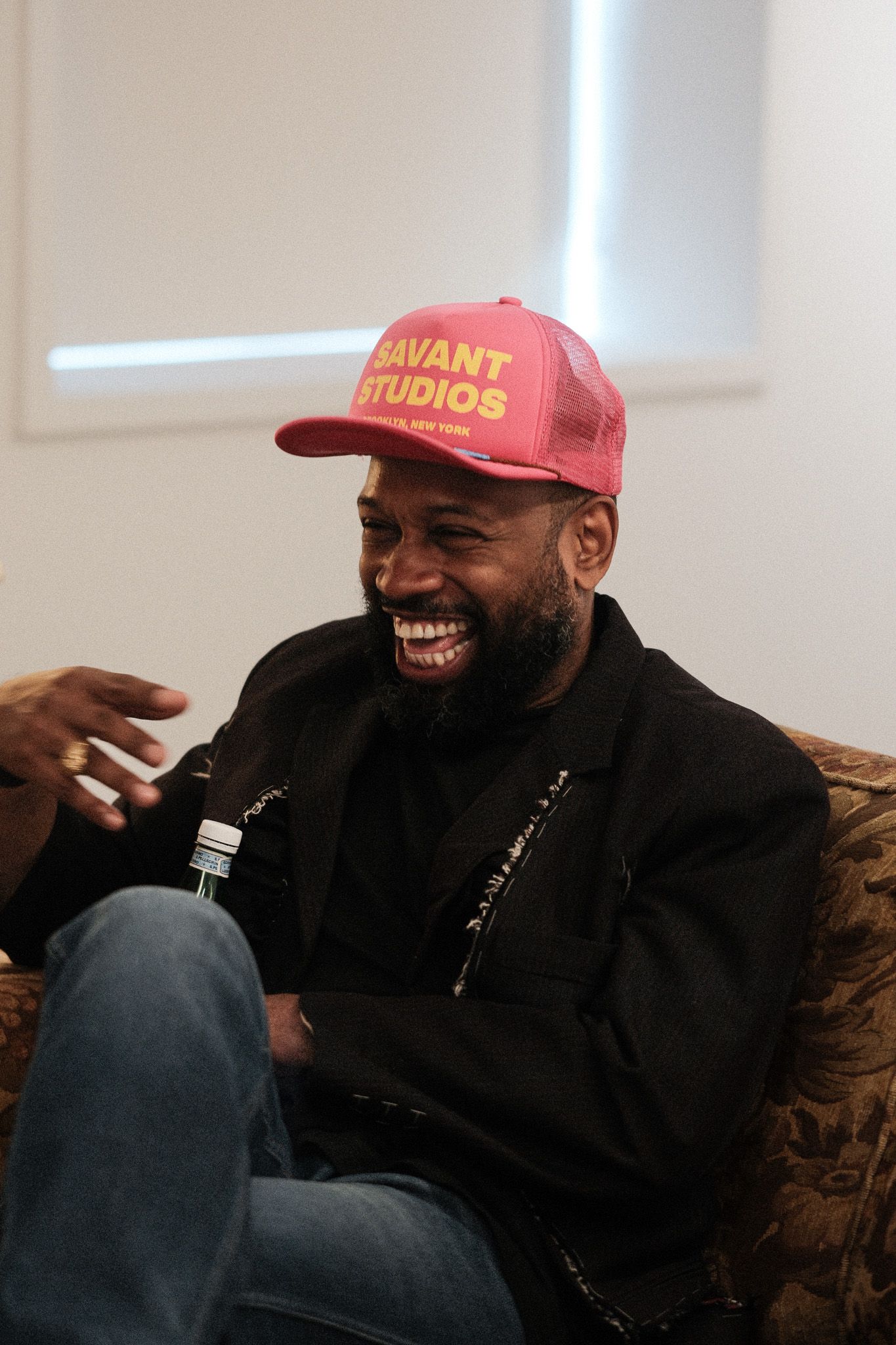
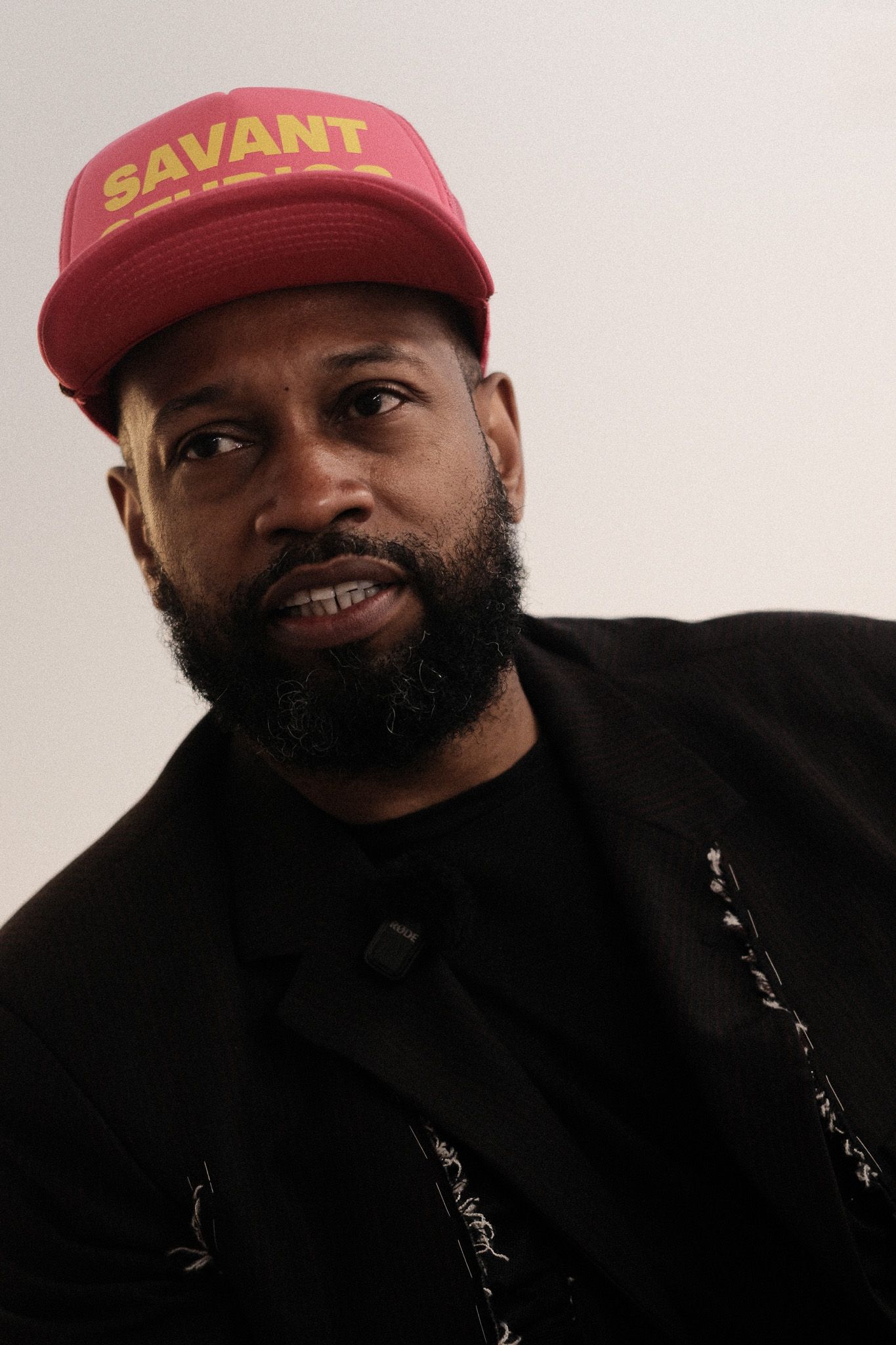
Below is a short interview conducted by Kat Nguyen with Nathaniel Mary Quinn.
Location:
National Public Housing Museum
919 S. Ada Street
Chicago, IL 60607
HOW DID GROWING UP ON THE SOUTH SIDE OF CHICAGO INFORM YOUR PERSPECTIVE ON THE WORLD AND THEREFORE YOUR ART?
"Well growing up on the South Side of Chicago has impacted my perspective of the world because... in one sense, when you grow up in that kind of poverty, you are also growing up in a cocoon of a world, right? So, you are not being exposed to other realities. All you know is what is happening within the parameters of that community, " Nathaniel Mary Quinn began, "So you think everybody lives this way. It was not until I went to a private boarding school in Indiana called Culver Academies, that living in the Robert Taylor Homes really began to impact my lens of the world, because for the first time, I had something else to compare my experience to."
"So I went from the Robert Taylor Homes, which is an impoverished community, to suddenly being at this really elite private boy high school, where many of my peers' parents were from affluent backgrounds, right? So I thought, okay, so it turns out there are people who live very different lives," Nathaniel Mary Quinn paused for a moment before continuing, "Then you begin to understand how devastating my upbringing was for me and how different it was, how drastically different. So it began to inform my creative process, it was like, I was compelled to make works about my upbringing, to revisit those memories. So it became about that. I just wanted to record those experiences, you know? Like, it was just so odd and harrowing, in a way."
HOW DO YOU NAVIGATE THE CREATION OF ARTWORKS THAT BRIDGE SO MANY ASPECTS OF CULTURE WHILE KEEPING YOUR UNIQUE VISION INTACT?
"For me, every work I make starts first with a vision, you know, a mental picture. Initially, with the mental picture, I am not sure what the work is about. Now, there are some cases where I have an inkling of what it's about, you know, but in most cases I'm not clear. But I am clear about one thing, which is that I have a visceral need to make that work," He began, "Because I think the artistic process, first and foremost, should be enjoyable. It should be fun. You should always strive to sustain the vitality of the child in you when you are making art. You know, it's a very organic experience..."
"So I work very hard to remove excessive thinking, and I work really hard to maintain just being present - removing your ego, right? Throughout the process, I make use of many different artistic styles, any style that is available to me, that I think will be fitting for my end result. I use it, you know, abstract expressionism, cubism, surrealism, realism, photorealism, minimalism, or whatever. Like whatever tools that I can get my hands on in the studio, whatever textures that I can perhaps bring to bear, you know, I'm using every artistic idiom available to me to achieve the end result that I want to achieve, " Nathaniel Mary Quinn continued, "Especially when you have, at your fingertips, such a vast array of art history. Like I look at the words of Gerhard Richter, okay, I learned a lot from his paintings... oh, and stand up comedians. I like the way Dave Chappelle puts jokes together. Yeah. You know, it's like, can I do that in a visual way?"
DO YOU HAVE ANY ADVICE FOR UP AND COMING ARTISTS ON THE SOUTH SIDE WHO ARE STRUGGLING WITH WHETHER OR NOT TO PURSUE A CAREER IN THE ARTS?
"I'll tell you what, I was also very fortunate while growing up on the South Side of Chicago in the Robert Taylor Homes, to have available to me two teachers: Ms. Pilcher and Ms. Jackson... those teachers, they are not artists, they probably can't draw a stick figure, okay? But they supported my passion for making art and they introduced me to making art. They would give me, like, little art books and things like that, you know, or they would take me to a museum - because Chicago has plenty of museums. That helped to confront the boundaries of that community, and not allow myself to be stricken by the boundaries..." He stated, "So if you are growing up in any community that is starved of art, get on a bus, leave the boundaries of that community, and go places where art actually does exist... you have to feel like you are deserving of that experience. I think that's the hardest part. Many people feel like these institutions are not hospitable to them, that's why they feel like they cannot go - but this is a public institution. So you are worthy, you're more than worthy to go into a museum of any kind, alright? Just walk in..." He paused, "Art is for the people, you can just walk in and look at art, you know? I want all people to feel worthy of enjoying art. So that's it."